Coaching courses
Fundamental skills, tactics, team preparation, physical conditioning and performance analysis, taught to international standards.
Teachers, coaches, referees and community leaders trained across Uganda, and clubs that communities own and run themselves.
Between November 2021 and June 2026, across the Central, Eastern, Northern and Western regions.
Coaching courses, officiating clinics, school sensitisation, community demonstrations, leadership workshops, stakeholder consultations and club formation.
Teachers, community coaches, youth leaders, sports officers, referees and volunteers.
The national club formation campaign ran from February to June 2026.
Passed out at the end of the first Level 1 coaching course in Mukono.
Primary and secondary teachers at Nakapiripiriti Primary School, 12 August 2026.
Nine boys' and ten girls' schools confirmed for Kho Kho at the USSSA Ball Games.
Bukasa, Mabombwe and Kasengeje sub parishes, Wakiso, 23 May to 6 June 2026.
Figures come from the programme report, the Level 1 course news, the Nakapiripiriti coaching report, the Gulu schools list and the parish tournament reports.
Community meetings, public demonstrations, school visits, sports festivals, stakeholder engagements and media outreach spark interest and local participation.
Training for teachers, community coaches, youth leaders, sports officers, referees and volunteers, so each community has people who can run the sport.
Interested communities are guided through formal club formation, with governance, member records and ongoing mentorship.
Fundamental skills, tactics, team preparation, physical conditioning and performance analysis, taught to international standards.
Rules of the game, match procedures, scoring, referee positioning and competition protocols.
Visits that introduce Kho Kho to pupils and teachers, because schools are the best entry point for a new sport.
Public games and sports festivals that let a whole community see how the sport works.
Training for interim committees, from constitutions to membership registers.
Meetings with district leaders, sports officers and local government so the sport is owned locally.
Guiding communities through setting up a club that follows the National Sports Act, 2023.
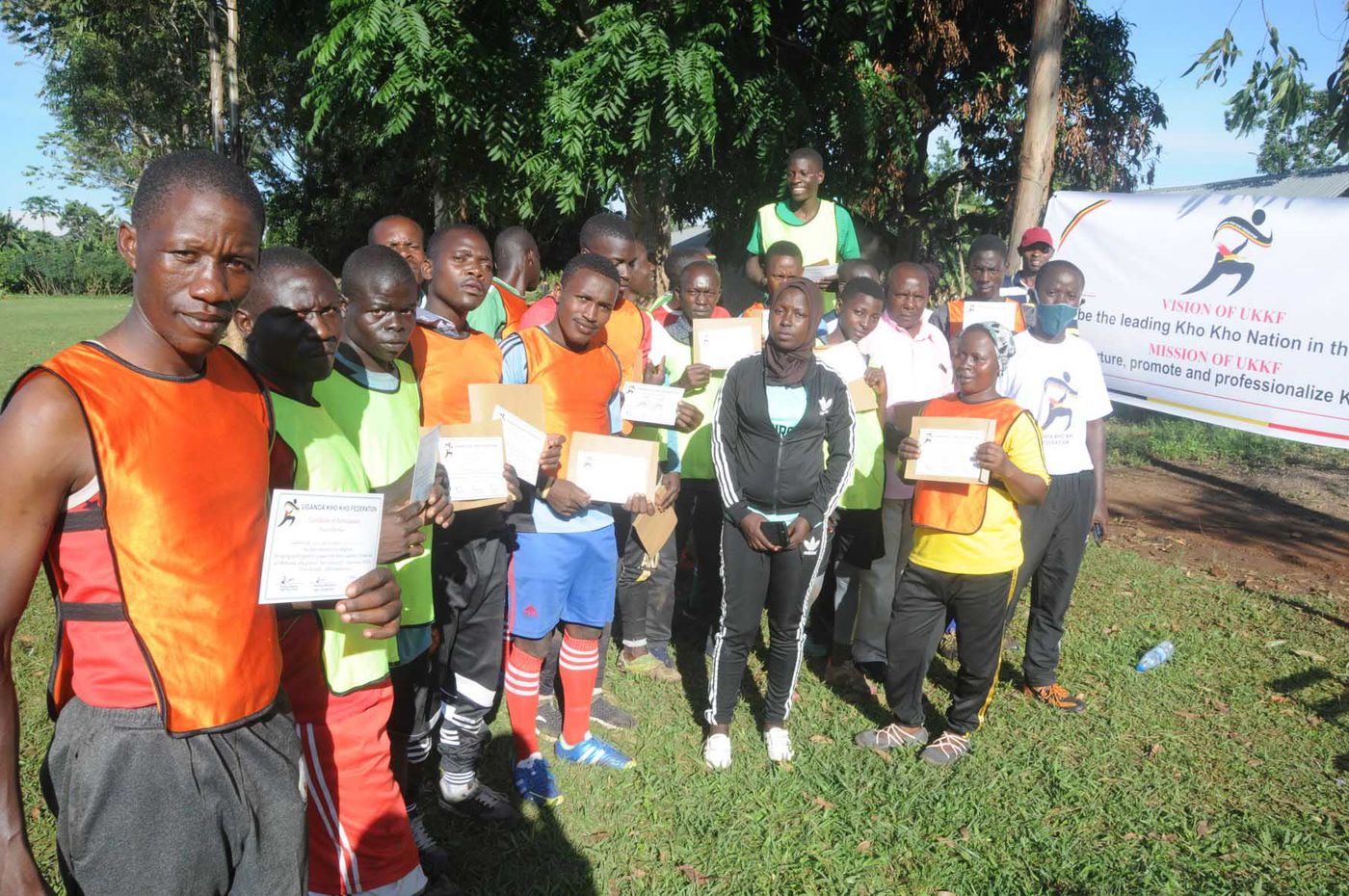 Butambala, 2021The first national course
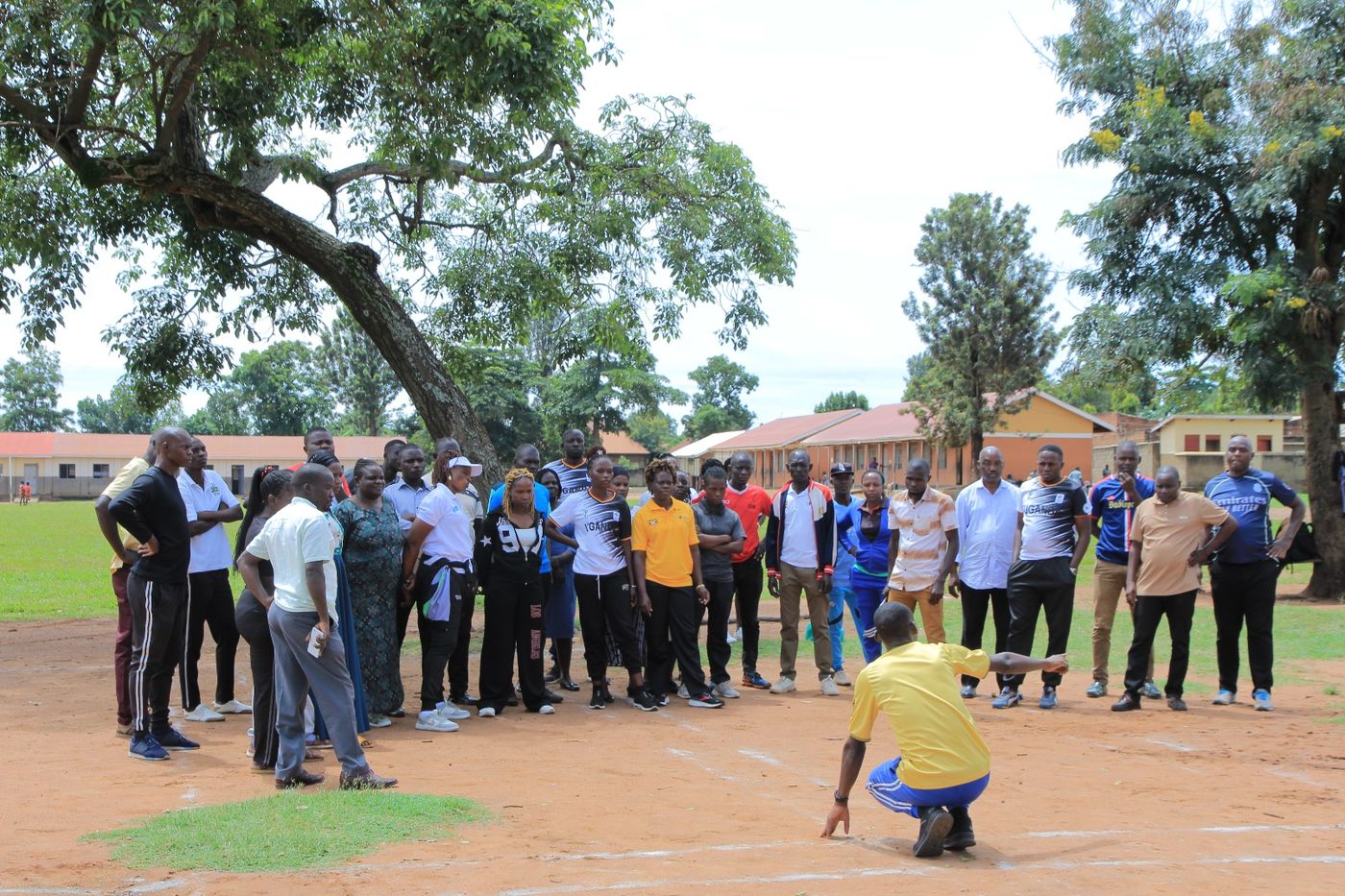 Instructor demonstrationCoaching skills
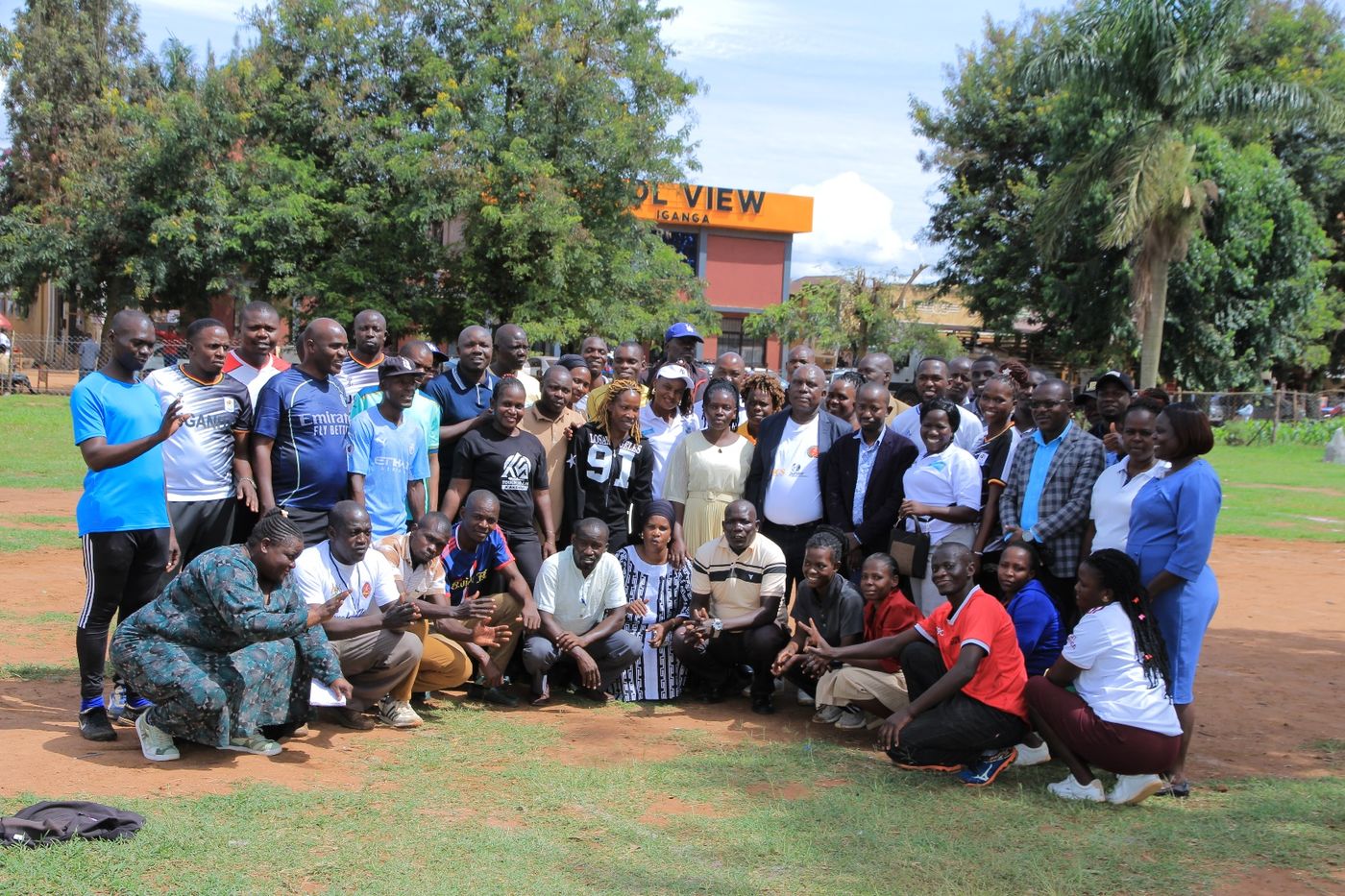
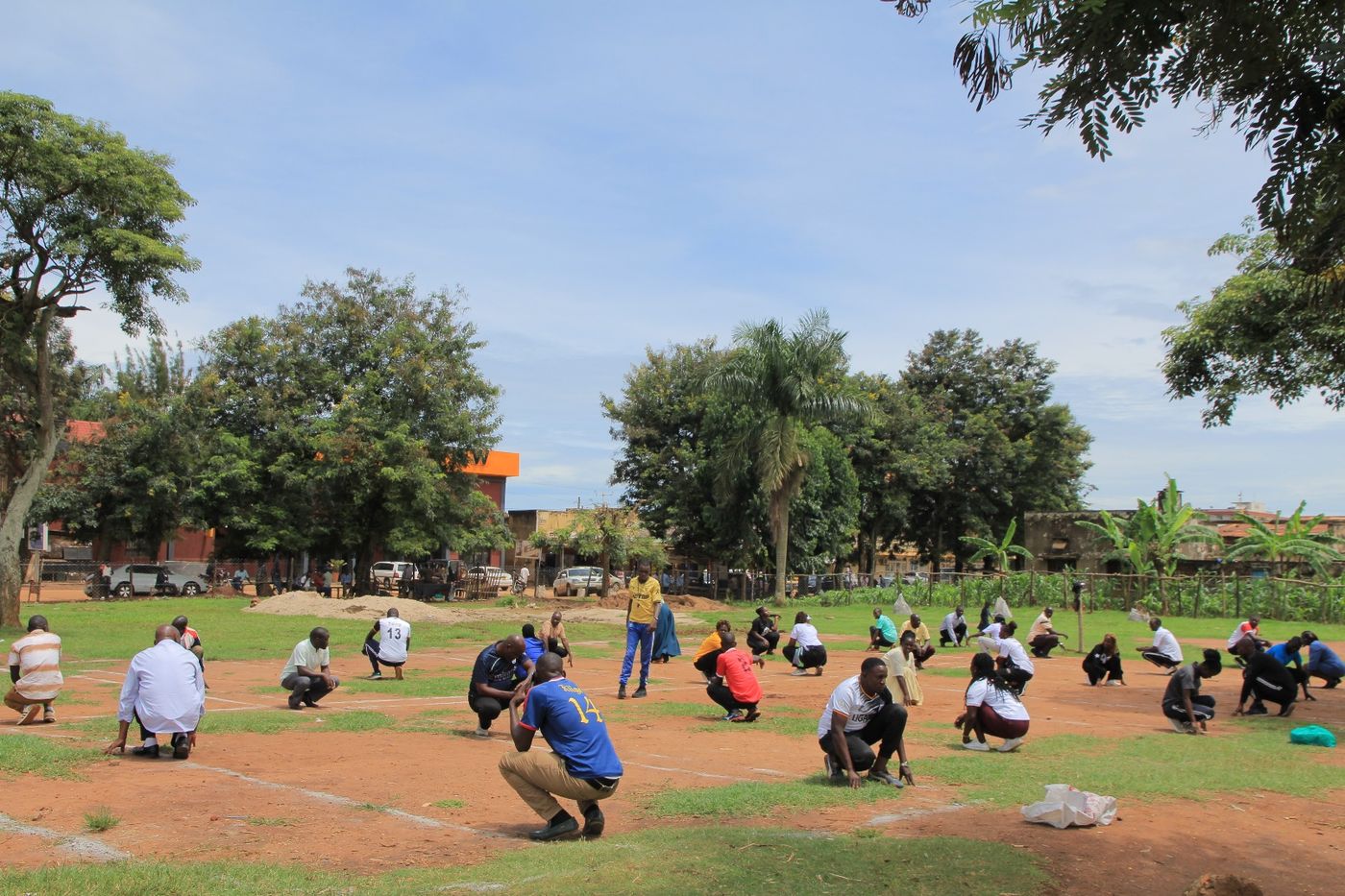 IgangaTeachers
 Iganga Boys Primary SchoolPupils and teachers
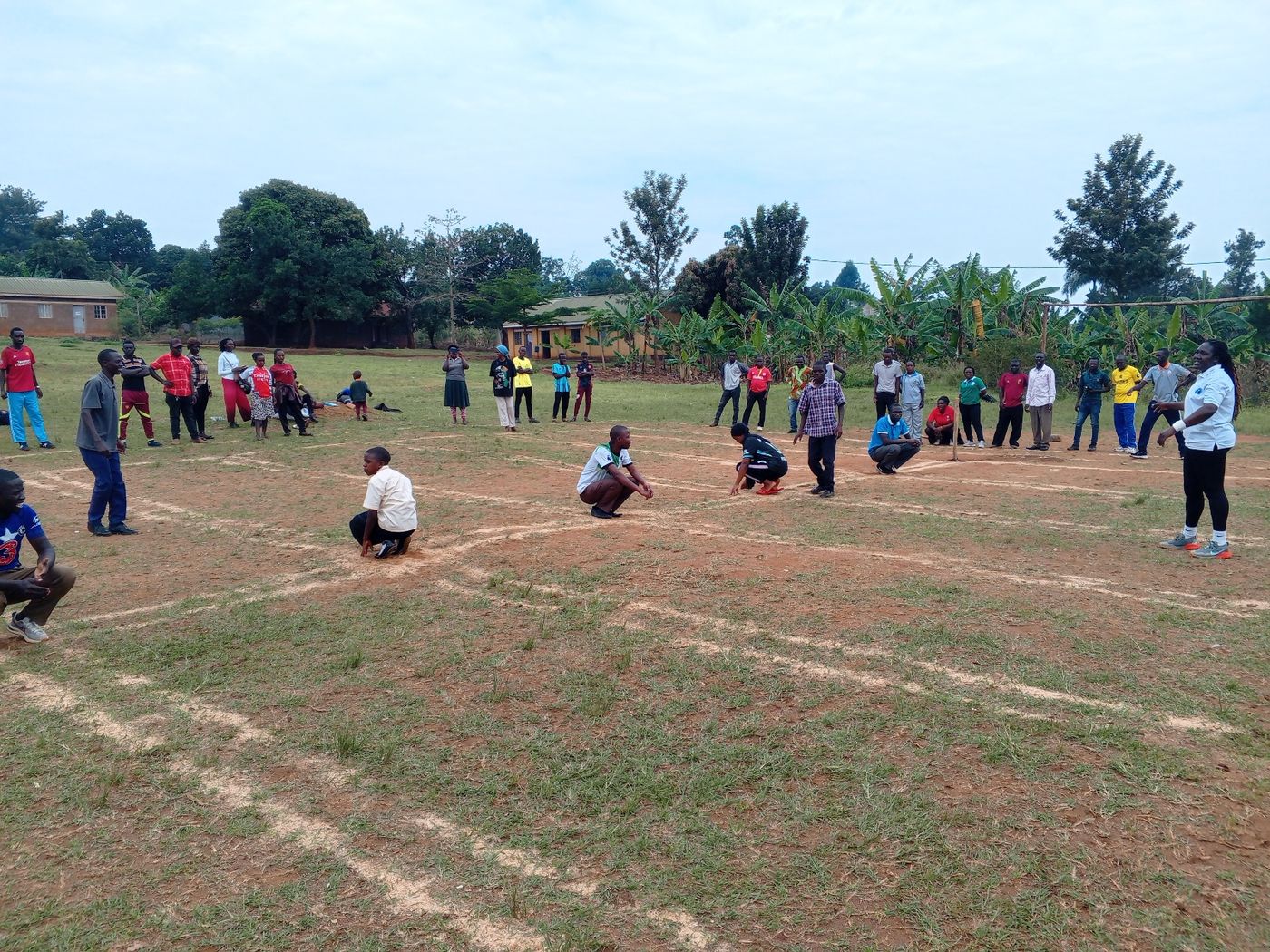 MubendeCommunity coaches
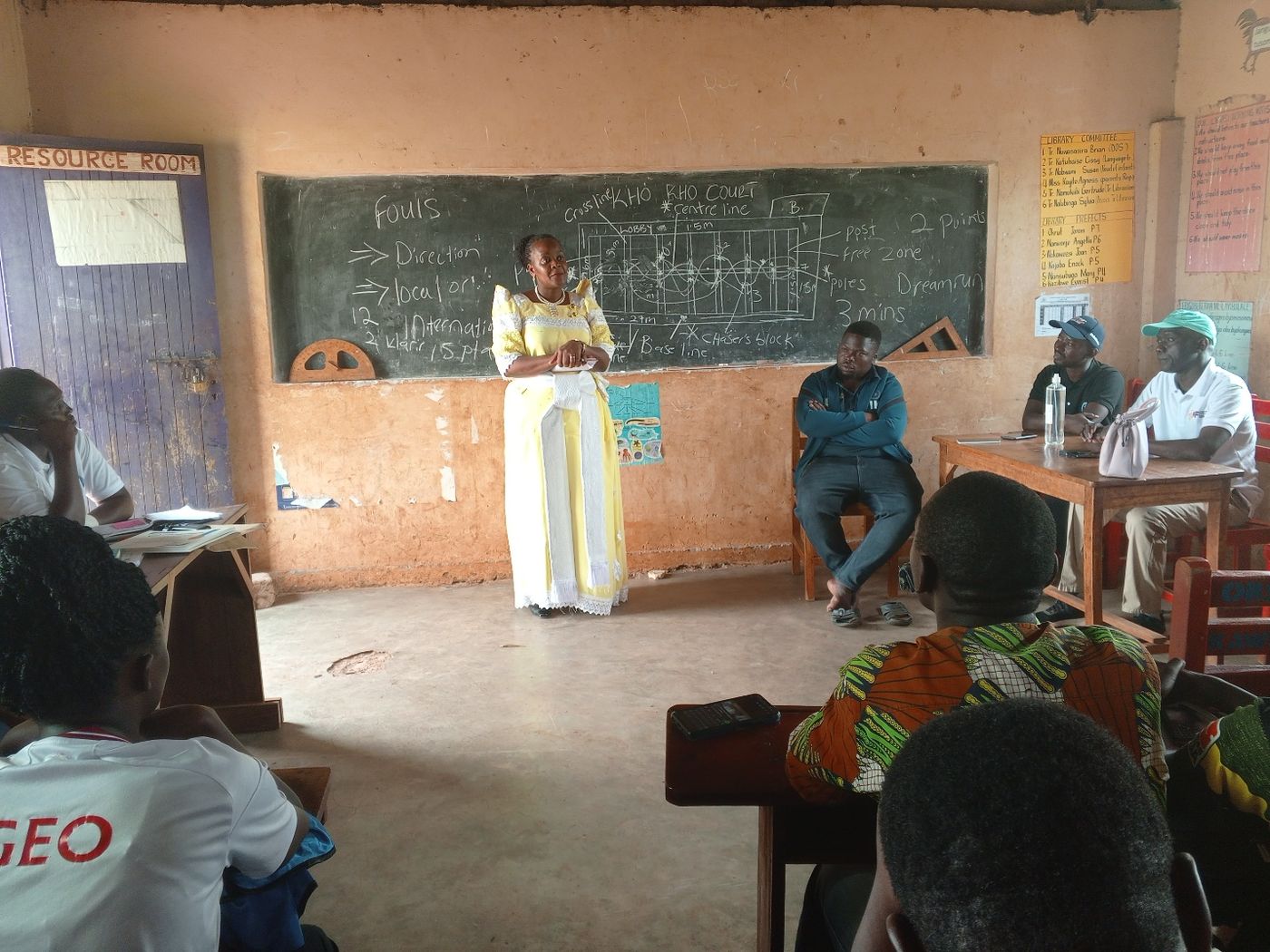 MubendeLeaders
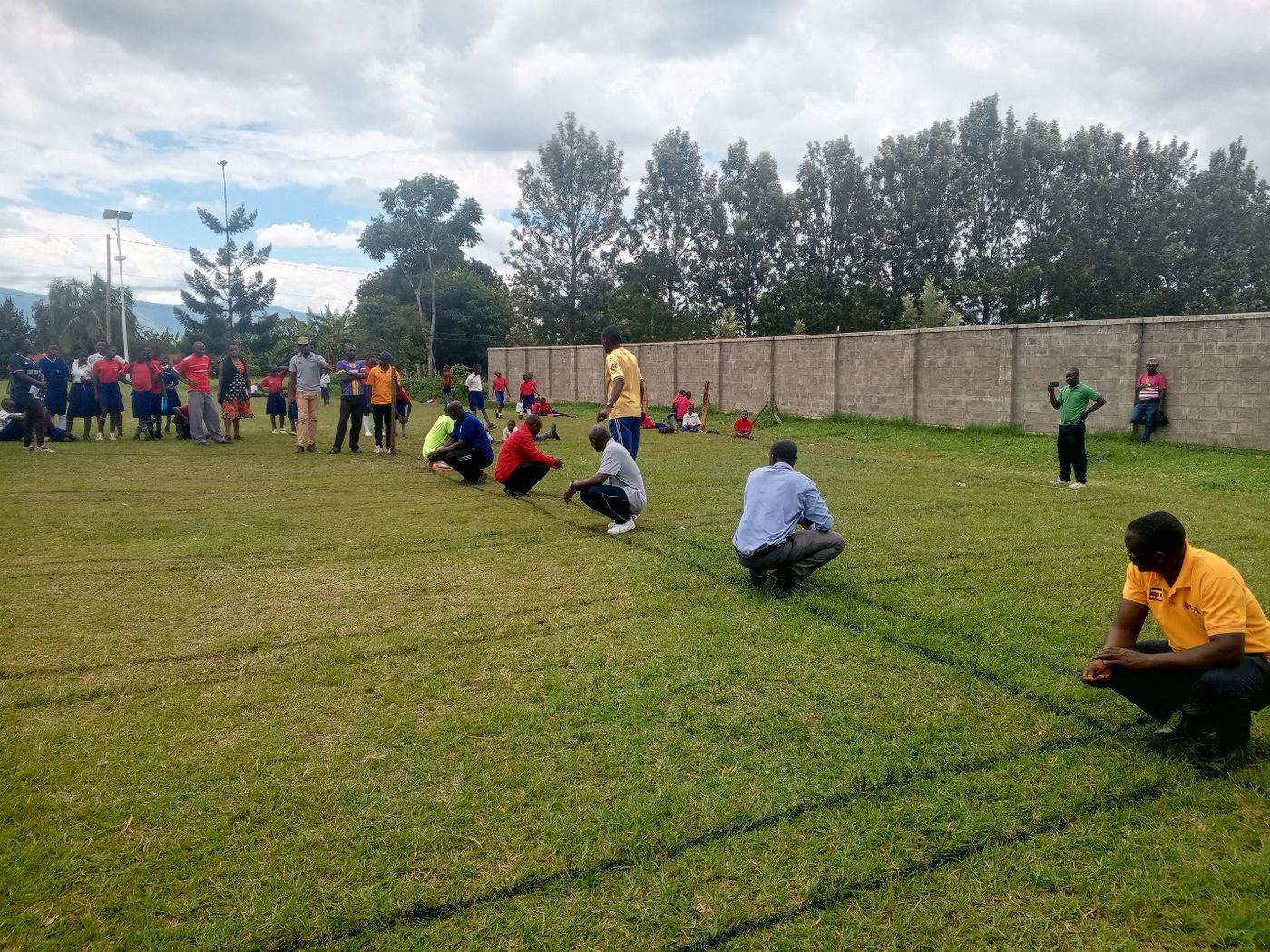 Fort Portal CityTeachers
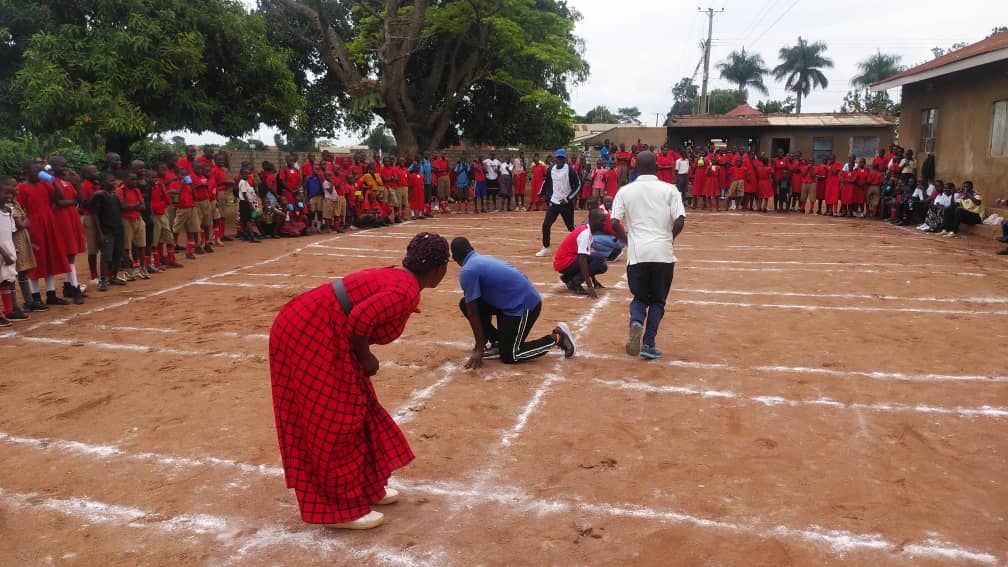 WobulenziCapacity building
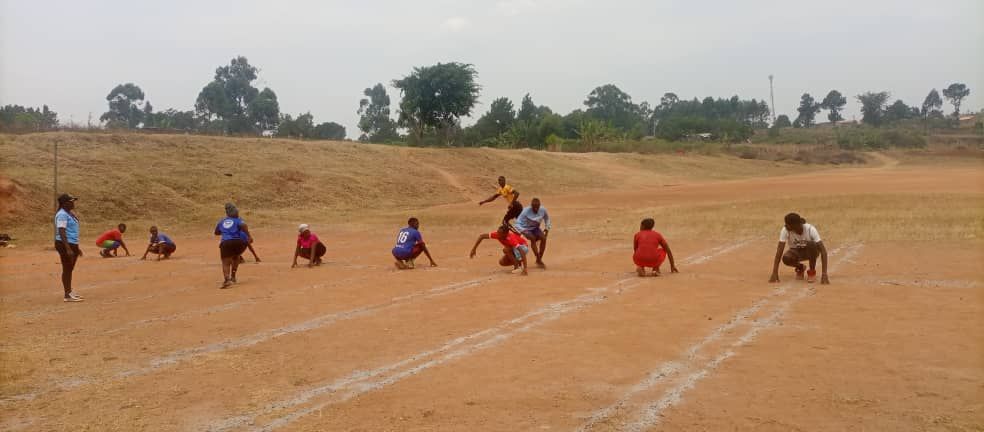 Mbarara Army Secondary SchoolStudents
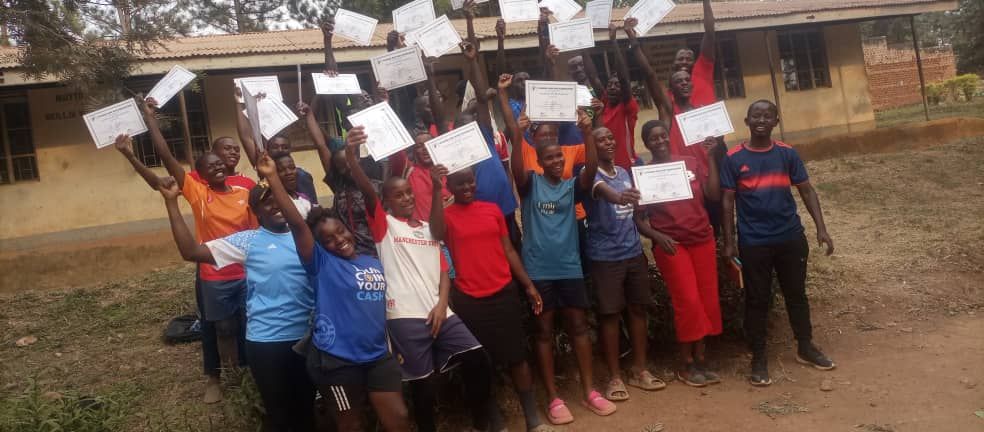 Mbarara Army Secondary SchoolCertificates
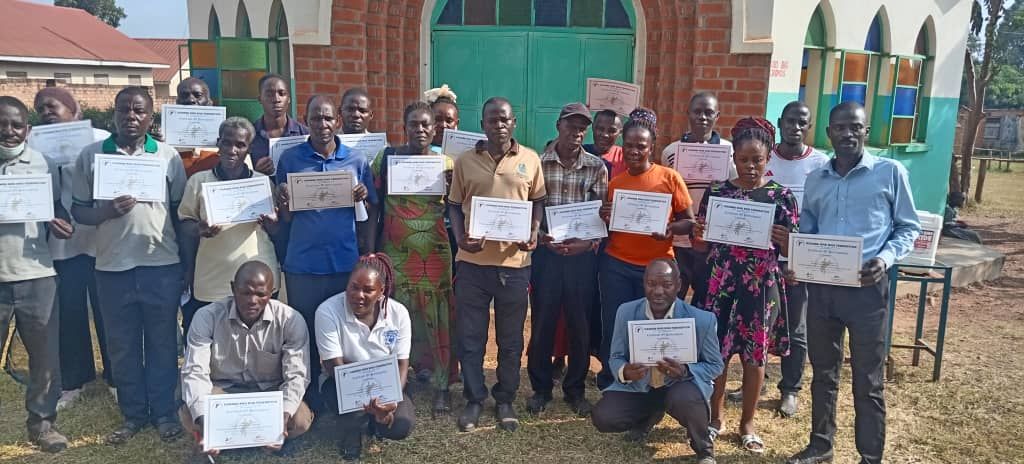 HoimaTrainees
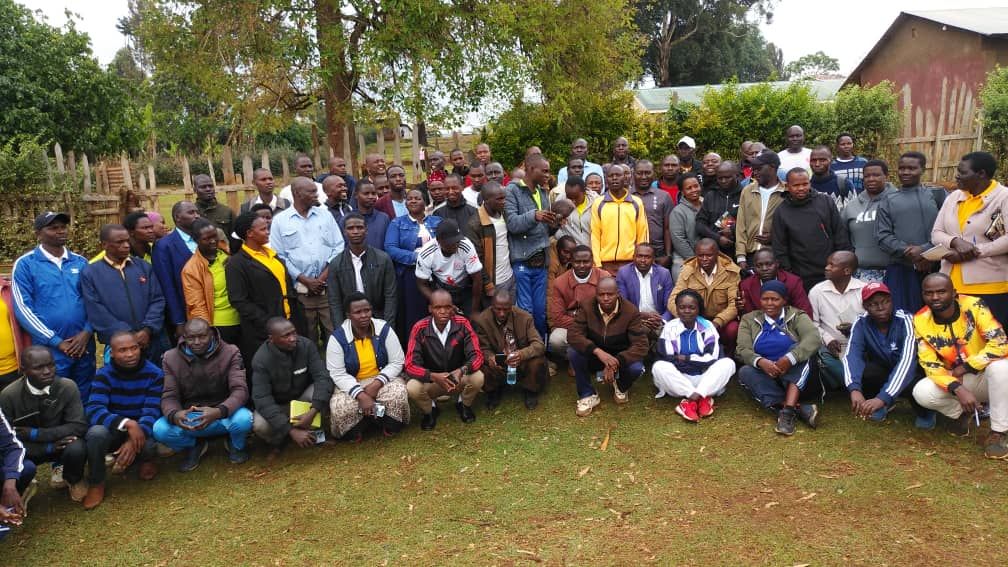 Kapchorwa Secondary SchoolSebei
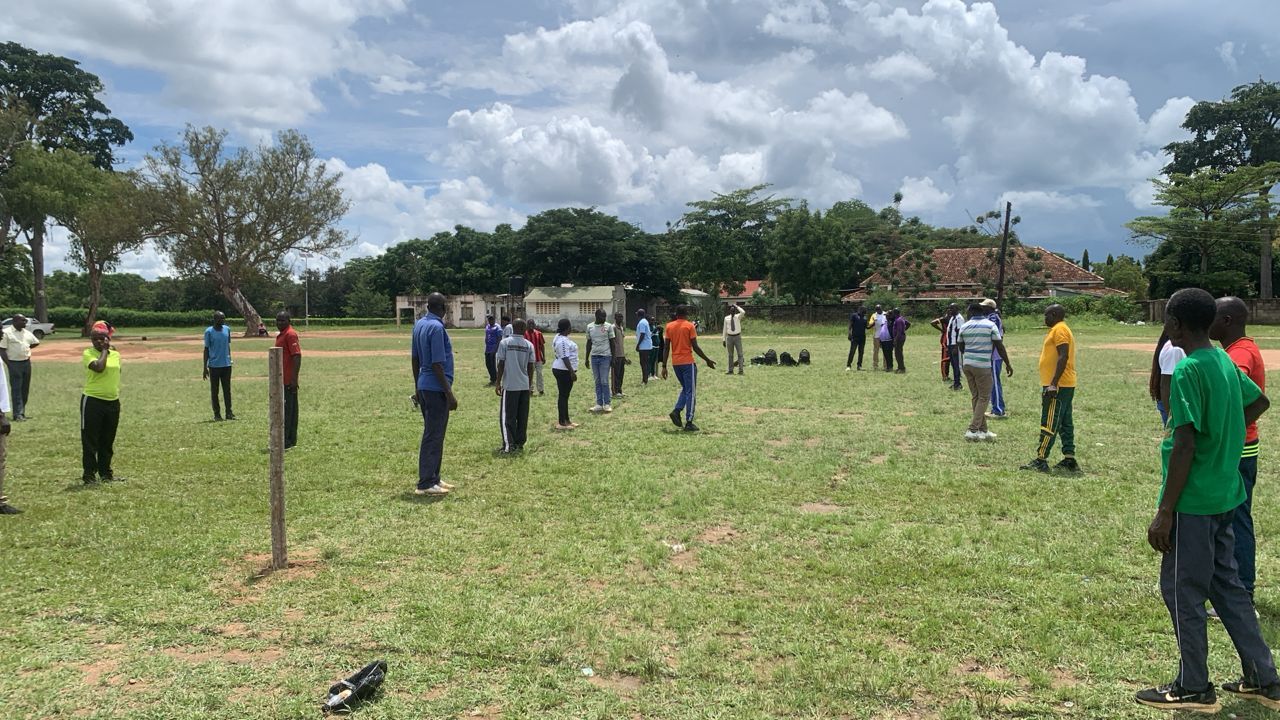 Arua CityWest Nile
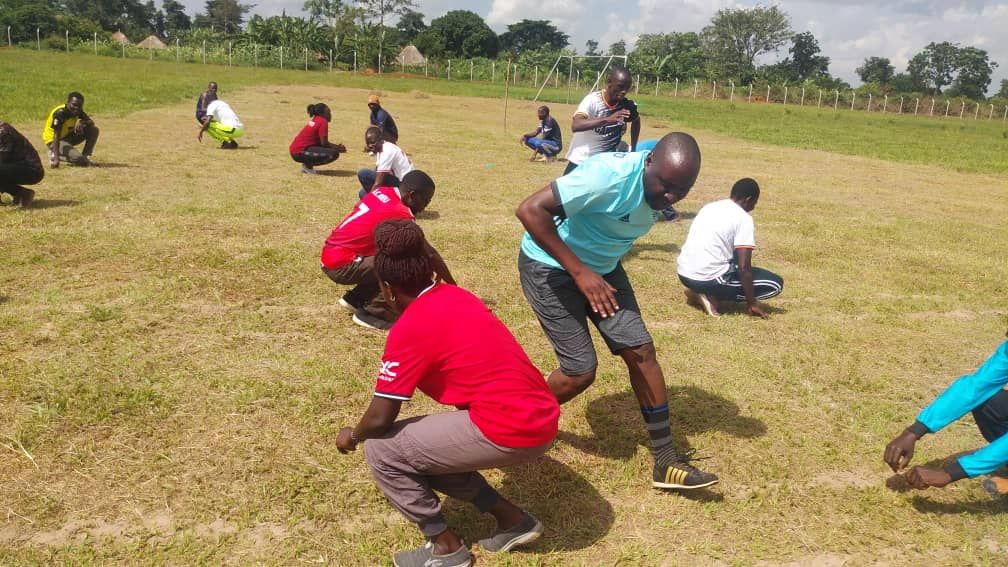 Olio Seed Secondary SchoolCapacity building
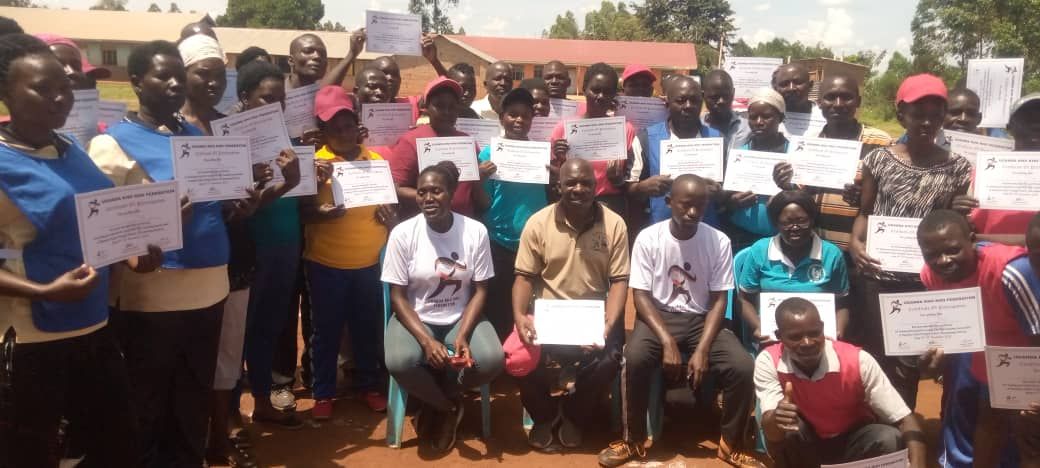 KiryandongoSports officers
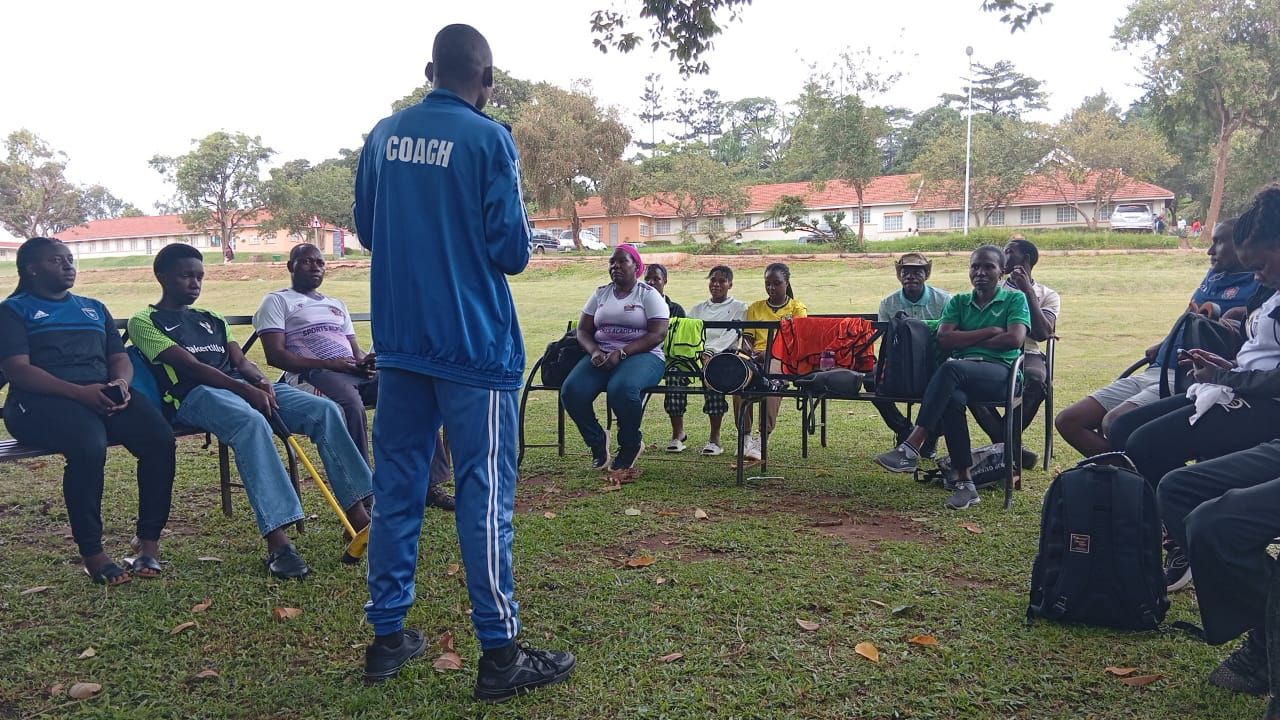 Mukono, Kampala and KayungaClub formation
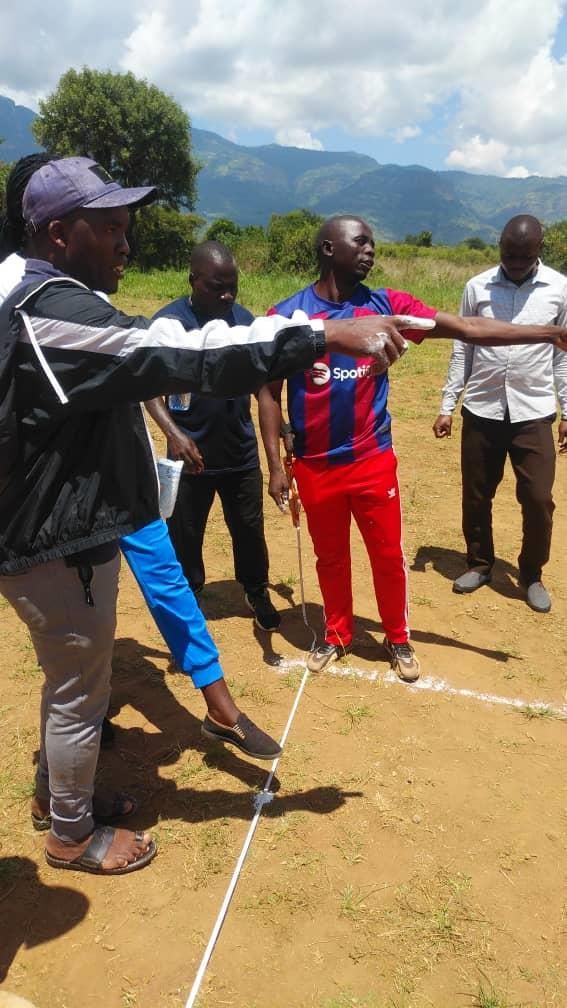 NakapiripiritiKaramoja
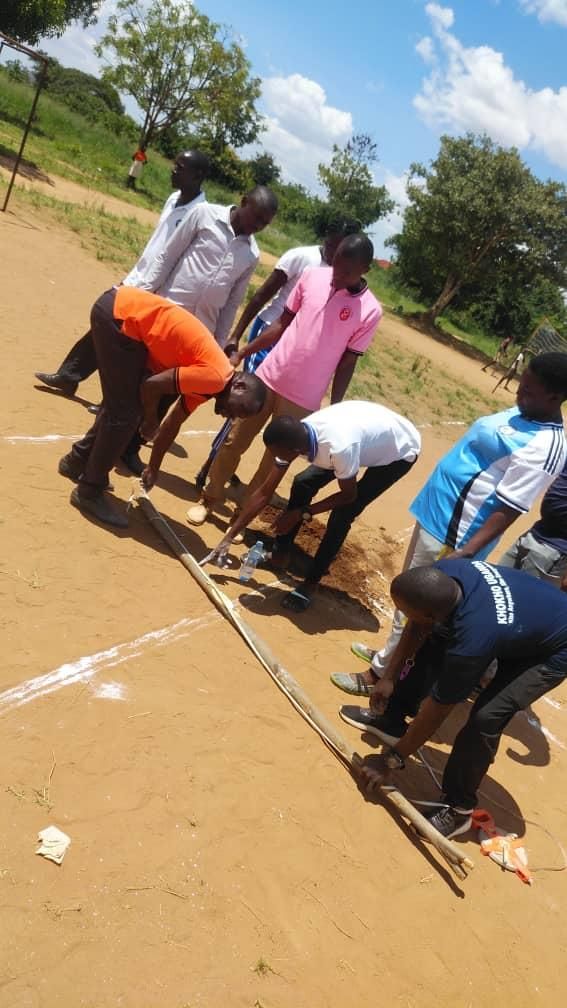 NakapiripiritiKaramoja
The nationwide club formation campaign ran from February to June 2026. Each club follows the same seven steps, guided by the National Sports Act, 2023.
More young people in constructive activity, stronger community cohesion and healthier lifestyles.
Better school participation in sport, with leadership and teamwork skills.
More chances to take part, technical expertise and clear talent pathways.
Sustainable clubs, stronger governance and progress towards a federation.
Transport, equipment, training and volunteers are what hold the programme back. You can change that.